
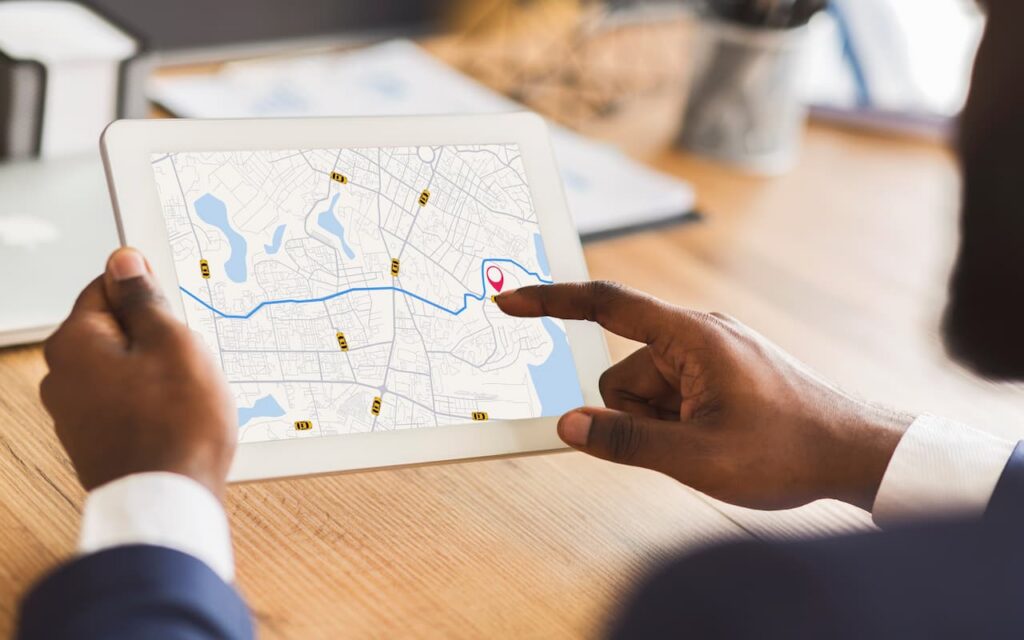
Choosing the best locations for direct sales teams allows them to connect with more qualified prospects, build stronger relationships, and improve overall sales performance.
Every community has unique characteristics that influence customer behavior. Population demographics, local events, shopping habits, and business activity all affect the likelihood of successful customer interactions. Understanding these factors helps direct sales professionals focus their efforts where they can achieve the greatest impact.
Selecting locations strategically is not simply about finding busy places. It involves identifying environments where target customers are most likely to engage, ask questions, and make purchasing decisions.
Understand Your Target Audience
Before choosing where to sell, it is important to understand who your ideal customers are. Knowing your audience makes it easier to identify locations where meaningful conversations are more likely to occur.
Consider factors such as age, occupation, income level, family size, interests, and purchasing habits. These characteristics influence where people spend their time and how they prefer to shop.
For example, professionals may frequently visit business districts, while families often spend weekends at shopping centers, community events, and recreational facilities. Students may be more accessible near universities, transportation hubs, or public gathering areas.
Understanding customer behavior helps sales professionals identify the best locations for direct sales based on where potential buyers naturally gather.
Evaluate Foot Traffic Carefully
Busy locations often create more opportunities for customer engagement, but high foot traffic alone does not guarantee better results.
Observe how people move through a location. Some areas encourage customers to stop, browse, and interact, while others serve mainly as passageways where people are focused on reaching another destination.
Shopping centers, retail districts, trade fairs, community festivals, and public markets often provide opportunities for meaningful conversations because visitors are already prepared to spend time exploring products and services.
Evaluating traffic patterns during different times of the day and week also helps identify periods with the highest potential for productive customer interactions.
Study Customer Demographics
Each location attracts a different audience. Matching customer demographics with your product or service significantly improves sales opportunities.
Research the local population before investing time and resources in a particular area. Public demographic reports, local business organizations, and community information can provide valuable insights into age groups, income levels, education, and consumer preferences.
If your products appeal primarily to young professionals, focus on areas where that audience frequently works or socializes. If your offerings target families, prioritize locations with consistent family activity.
Selecting locations that align with customer demographics creates more relevant conversations while improving conversion rates.
Observe Customer Behavior
Watching how customers interact within different environments provides valuable information for direct sales professionals.
Pay attention to how long people remain in specific areas, which stores or attractions receive the most attention, and how visitors respond to promotional activities.
Customers who appear relaxed and willing to explore are generally more receptive to conversations than individuals rushing between appointments.
Understanding customer routines also helps determine the most productive times for engagement. Morning commuters may have different priorities than weekend shoppers or evening visitors.
Learning how to choose sales locations becomes easier when sales teams consistently observe customer behavior instead of relying on assumptions.
Take Advantage of Community Events
Local events create excellent opportunities for direct sales because they bring together large groups of potential customers in one place.
Community festivals, business expos, farmers markets, sporting events, charity activities, seasonal celebrations, and cultural gatherings often attract visitors who are open to discovering new products and services.
These events also create a more relaxed environment for conversations compared to traditional retail settings. Customers are often more willing to ask questions, participate in demonstrations, and interact with sales professionals.
Preparing thoroughly before each event helps maximize results. Understand the audience, organize product displays, and develop engaging presentations that encourage participation.
Analyze Local Market Trends
Market conditions vary between locations. Understanding local trends helps identify areas with stronger sales potential.
Research consumer preferences, purchasing behavior, economic activity, and emerging business developments within your target regions.
Areas experiencing population growth, commercial expansion, or increased consumer spending often present greater opportunities for direct sales.
Monitoring seasonal trends is equally important. Certain products may perform better during specific times of the year depending on the weather, holidays, or local traditions.
Staying informed about changing market conditions allows sales professionals to adjust their strategies and remain competitive.
Build Relationships Within the Community
Strong community connections can significantly improve direct sales performance.
Building relationships with local businesses, event organizers, community leaders, and business associations increases visibility while creating valuable networking opportunities.
These connections may provide access to new events, promotional partnerships, or customer referrals that would otherwise be unavailable.
Active participation in community activities also strengthens brand recognition. Customers are more likely to engage with businesses that demonstrate genuine involvement within their local area.
Trust develops gradually through consistent presence and meaningful interactions with the community.
Evaluate Accessibility and Convenience
Convenience influences customer engagement.
Choose locations that are easy for customers to reach, whether by public transportation, personal vehicles, or walking. Adequate parking, clear signage, and comfortable surroundings all contribute to a more positive customer experience.
Accessibility also affects the efficiency of sales teams. Locations that are easy to set up, manage, and operate allow representatives to focus more attention on customers rather than logistical challenges.
When evaluating potential sites, consider visibility, safety, available space, and nearby businesses that complement your products or services.
Small improvements in accessibility can lead to stronger customer engagement and better overall performance.
Balance Competition and Opportunity
Highly competitive locations often attract many potential customers, but they also include numerous competing businesses.
Rather than avoiding competition entirely, evaluate whether your products offer clear advantages that differentiate your business from others.
Sometimes, less crowded locations with a well-matched audience provide stronger long-term results than heavily saturated areas.
Understanding local competition also helps refine your sales approach. Identifying unmet customer needs creates opportunities to deliver greater value.
Careful evaluation allows sales professionals to invest their time where opportunities outweigh competitive challenges.
Use Data to Improve Location Decisions
Successful direct sales professionals rely on measurable information when evaluating performance.
Track customer interactions, leads generated, conversion rates, average sales value, repeat visits, and overall revenue for each location.
Comparing these results over time reveals which areas consistently produce the strongest outcomes.
Customer feedback also provides useful insights. Asking visitors how they discovered your business or what attracted them to your location helps identify effective strategies.
Professionals learning how to choose sales locations should regularly review performance data rather than relying solely on personal impressions.
Plan for Long-Term Success
Location decisions should support both immediate sales opportunities and future growth.
Develop a schedule that balances established high-performing locations with new opportunities worth exploring. Testing different venues allows businesses to identify emerging markets while reducing dependence on a single location.
Consistency also matters. Returning regularly to successful locations helps customers become familiar with your presence while strengthening long-term relationships.
A structured approach to sales territory planning ensures that sales teams allocate time and resources efficiently across multiple markets while avoiding unnecessary overlap.
Stay Flexible and Adaptable
Customer preferences, market conditions, and community activities change over time. Remaining flexible allows direct sales professionals to respond effectively to these changes. Review location performance regularly and be willing to adjust strategies when necessary.
If customer traffic declines or new opportunities emerge elsewhere, adapt your schedule accordingly. Successful sales professionals continuously evaluate their environment while seeking better opportunities.
Experimenting with different event types, seasonal promotions, and community partnerships also encourages continuous improvement.
Adaptability helps businesses remain competitive while maximizing customer engagement throughout changing market conditions.
Identifying the best locations for direct sales requires understanding customer demographics, evaluating foot traffic, studying market trends, participating in community events, and analyzing performance data. These strategies help sales professionals make informed decisions while increasing opportunities for meaningful customer engagement.
By consistently evaluating results and remaining responsive to changing market conditions, businesses can continue discovering the best locations for direct sales while building stronger customer relationships and achieving sustainable long-term growth.
Midspire creates innovative direct sales and marketing strategies that drive customer engagement and revenue. By focusing on personalized interactions and targeting the right customer segments, we help you build lasting relationships and increase sales. Schedule a consultation to learn more about our marketing services.